Why InfantSEE® Exams Are Essential for Your Baby’s Vision Development
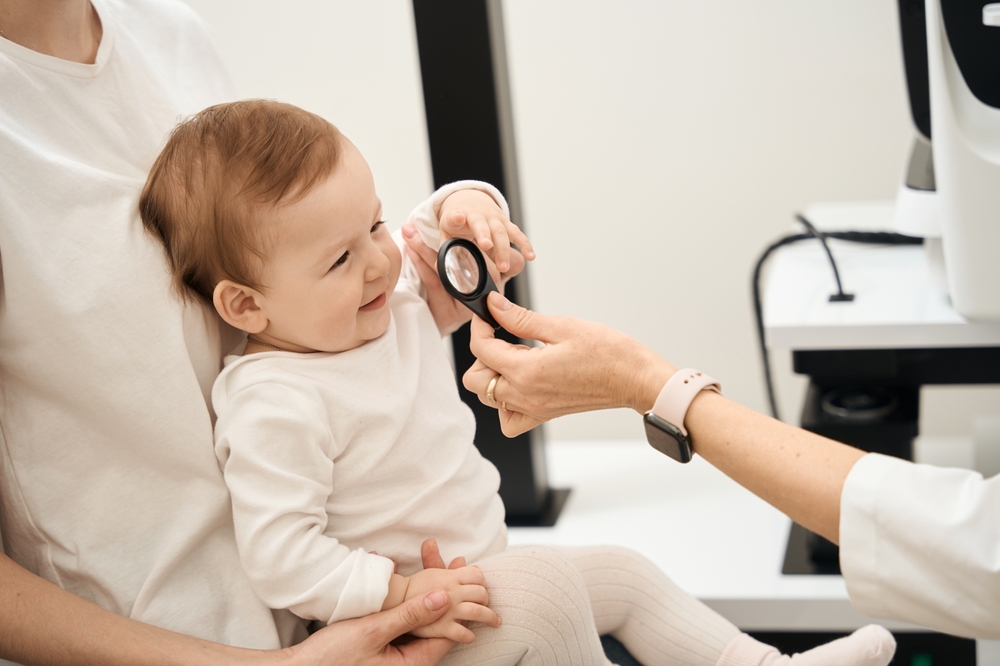
Your baby’s eyesight plays a critical role in how they learn, explore, and understand the world around them. Vision is closely tied to early developmental milestones, affecting everything from hand-eye coordination to cognitive processing. Because infants cannot tell you when something is wrong, early detection is crucial - and that’s where InfantSEE® exams come in.
What Is InfantSEE®?
InfantSEE® is a public health program managed by the American Optometric Association that provides a no-cost comprehensive eye and vision assessment for babies between 6 and 12 months old. Participating optometrists, such as those at The Center for Vision Development, receive specialized training to identify early signs of visual or developmental issues that may not be caught during a pediatric well-baby visit.
These exams go far beyond a quick vision screening. They evaluate how your baby’s eyes work individually and together, how they track and fixate on objects, and whether the visual system is developing at the appropriate pace.
Why Early Eye Exams Are Crucial
During the first year of life, your baby’s visual system is rapidly forming connections in the brain. If something interferes with clear vision during this period, it can impact development long-term. Many early eye or visual efficiency problems present no external symptoms, and children often adapt so well that parents may not notice anything is wrong.
Some of the most common conditions detected during InfantSEE® exams include:
• Amblyopia (Lazy Eye): If not caught early, amblyopia can permanently reduce vision in one eye. Early detection gives children the best chance for full visual recovery.
• Strabismus (Eye Turn): Even subtle eye misalignments can disrupt binocular vision and depth perception. InfantSEE® exams allow providers to diagnose and treat this before it affects development or leads to amblyopia.
• Refractive Errors: Significant farsightedness, nearsightedness, or astigmatism can hinder your baby’s ability to focus and engage with the world. Correcting these issues early promotes better developmental growth.
• Eye Health Concerns: Although rare, conditions like congenital cataracts, ptosis, or other structural abnormalities must be identified early for proper referral and treatment.
How InfantSEE® Exams Support Vision Development
An InfantSEE® assessment evaluates more than clarity of sight - it assesses the functional visual skills necessary for growth, learning, and future academic readiness. These include:
• Visual tracking
• Eye teaming
• Focusing skills
• Eye-hand coordination
• Visual attention and processing
At The Center for Vision Development, our doctors specialize in understanding how the visual system interacts with motor skills, balance, and cognitive development. Detecting issues early allows us to create a proactive plan to support your child’s visual growth.
When Should Your Baby Have an InfantSEE® Exam?
The American Optometric Association recommends that every infant receive a comprehensive eye exam between 6 and 12 months of age, even if no signs of trouble are present. Early assessments help ensure visual problems are caught and corrected before they affect long-term development.
Take the First Step Toward Lifelong Healthy Vision
Your baby depends on their vision to learn, interact, and form essential developmental pathways. An InfantSEE® exam is a simple, proactive step that can make a lasting difference in your child’s visual and developmental future. By identifying concerns early, The Center for Vision Development can help ensure your baby has a strong foundation for healthy vision and lifelong learning.
Schedule your child’s InfantSEE® exam at The Center for Vision Development and support healthy vision development from the very beginning. Contact our primary location in Annapolis, Maryland, by calling (410) 268-4393 to book an appointment today.
Quick Links

Patient Center
Learn More
Keep
In Touch


Treatments
Contact Info
Hours of Operation
- Monday 10:00am – 6:00pm
- Tuesday 8:00am – 6:00pm
- Wednesday 8:00am – 6:00pm
- Thursday 8:00am – 6:00pm
- Friday 10:00am - 4:00pm
- Saturday 8:00am – 4:00pm
- Sunday Closed
© 2026 The Center for Vision Development. All rights Reserved. Accessibility Statement - Privacy Policy - Sitemap
Powered by: