The Role of Neuro Vision Rehabilitation in Treating Post-Stroke Vision Problems
A stroke can affect how the brain processes visual information, leading to problems such as double vision, visual field loss, trouble focusing, difficulty reading, poor depth perception, and challenges with balance or spatial awareness. These issues can significantly impact independence, safety, and quality of life. Neuro vision rehabilitation provides a specialized, brain-based approach to improving these post-stroke visual challenges.
What Is Neuro Vision Rehabilitation?
Neuro vision rehabilitation (or neuro-optometric rehabilitation) uses the principles of neuroplasticity - your brain’s ability to adapt and form new pathways - to restore or enhance visual function. Through targeted therapeutic activities, specialized lenses, and guided visual-motor training, patients learn to process visual information more accurately and comfortably.
How It Helps Post-Stroke Patients
• Improves Visual Field Awareness: Therapy teaches compensatory scanning strategies and uses tools that help patients detect objects or movement in previously neglected areas.
• Strengthens Eye Movements: Training improves tracking, focusing, and eye coordination, supporting tasks like reading and navigating daily environments.
• Enhances Visual Processing: Exercises help the brain interpret information more quickly and accurately, reducing confusion and improving comprehension.
• Supports Balance and Spatial Orientation: Because vision and balance are closely connected, improving visual processing can lead to steadier movement and fewer falls.
• Reduces Fatigue and Visual Overload: Therapy builds tolerance for busy or visually demanding environments, easing symptoms like headaches and strain.
What to Expect During an Evaluation
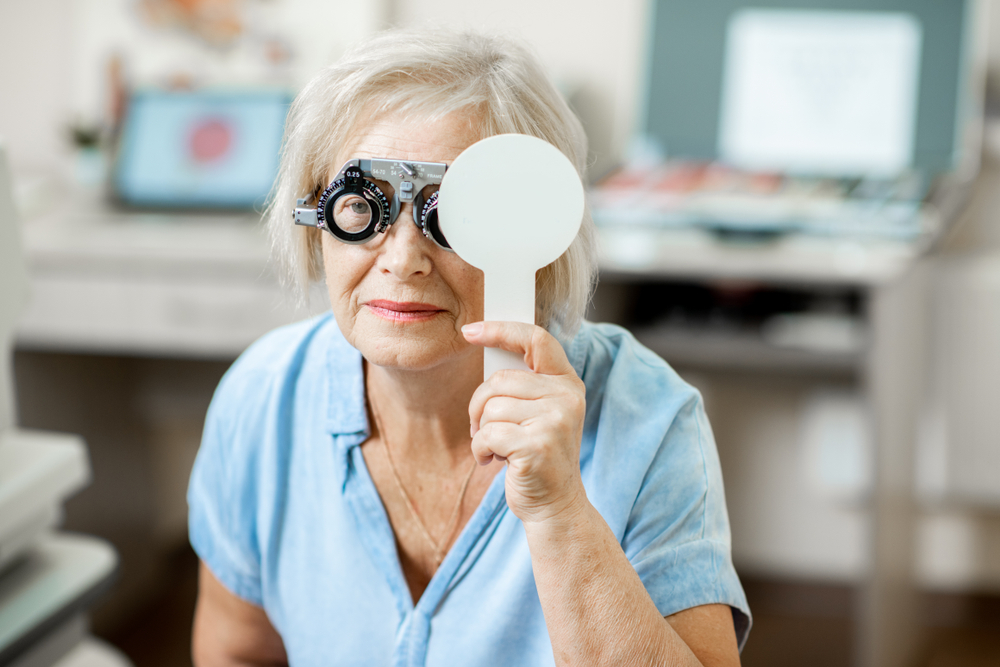
At The Center for Vision Development, post-stroke patients undergo a comprehensive neuro-optometric evaluation, which includes:
• Eye movement and focusing tests
• Visual field mapping
• Binocular vision assessment
• Visual perceptual and cognitive testing
• Balance and spatial orientation screening
This information guides the creation of a personalized rehabilitation plan tailored to each patient’s needs and goals.
Schedule Your Neuro-Optometric Evaluation
Post-stroke vision problems can be challenging, but neuro vision rehabilitation offers a proven pathway toward restoring clarity, confidence, and independence. By retraining the brain to interpret visual information more effectively, patients can regain essential visual abilities that support everyday life.
If you or someone you love is experiencing vision changes after a stroke, schedule a comprehensive neuro-optometric evaluation at The Center for Vision Development and begin a customized vision rehabilitation program. Visit our primary location in Annapolis, Maryland, or call (410) 268-4393 to book an appointment today.
Quick Links

Patient Center
Learn More
Keep
In Touch


Treatments
Contact Info
Hours of Operation
- Monday 10:00am – 6:00pm
- Tuesday 8:00am – 6:00pm
- Wednesday 8:00am – 6:00pm
- Thursday 8:00am – 6:00pm
- Friday 10:00am - 4:00pm
- Saturday 8:00am – 4:00pm
- Sunday Closed
© 2026 The Center for Vision Development. All rights Reserved. Accessibility Statement - Privacy Policy - Sitemap
Powered by: